
Tiles are a wonderful way to add style and durability to any room, but accidents happen, and no one wants to see cracks or chips ruining the look of their floor or wall. Learning how to repair chipped tiles can save homeowners both time and money by avoiding costly replacements. This guide will walk readers through easy steps to fix damaged tiles and tips for dealing with other common issues, like drummy tiles, effectively.
Why Chipped and Damaged Tiles Require Immediate Attention?
Chipped tiles might seem like a minor cosmetic issue, but they can lead to long-term damage and higher repair costs. Water seepage, mold growth, or weakened surrounding tiles are just some of the additional risks that come with ignoring damaged tiles. Addressing repairs right away helps maintain the aesthetic and structural integrity of your surfaces.
How to Repair Chipped Tiles in Four Simple Steps?
Here’s a straightforward process for fixing chipped tiles:
1. Gather the Repair Supplies
Ensure you have the right tools for the job. Commonly needed items include a tile filler, matching paint, sandpaper, and sealant. A good-quality epoxy or ceramic glue can help patch up chips effectively.
2. Clean the Damaged Tile
Before starting the repair, clean the chipped area thoroughly. Use a damp cloth to remove dust, debris, and grease. This helps the filler or glue adhere properly and creates a smooth surface for restoration.
3. Fill the Chip
Apply tile filler or epoxy to the chipped area using a small putty knife. Smooth it out to match the surrounding surface. For minor chips, this step will likely resolve the issue completely.
4. Paint and Seal the Area
Use a matching tile color to conceal the repair and apply a high-quality sealant to protect the area from moisture damage. This will also enhance durability.
What Are Drummy Tiles and Why Do They Matter?
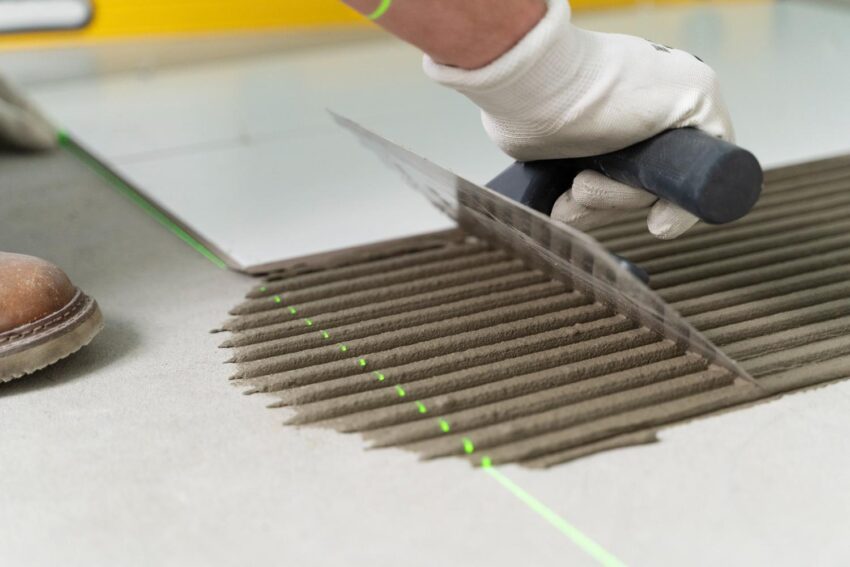
In addition to chipped tiles, drummy tiles are another common issue affecting tile surfaces. This term refers to tiles that sound hollow when tapped. The hollow sound indicates that the adhesive holding the tile has weakened, often due to improper installation or deterioration over time. Left unchecked, drummy tiles can lead to cracking, chipping, or even complete detachment.
Pro Tips for Preventing Tile Damage
- Always use a high-quality adhesive during installation to avoid future problems like loose or drummy tiles.
- Routinely inspect tile surfaces for chips, cracks, or weak spots.
- Seal tile grout annually to prevent water damage and protect tile edges.
Final Thoughts
Knowing how to repair chipped tiles and address drummy tiles empowers homeowners to maintain the beauty and functionality of their tiled surfaces. With the right approach and tools, these common tile problems can be easily managed, leaving floors and walls looking flawless for years to come.