
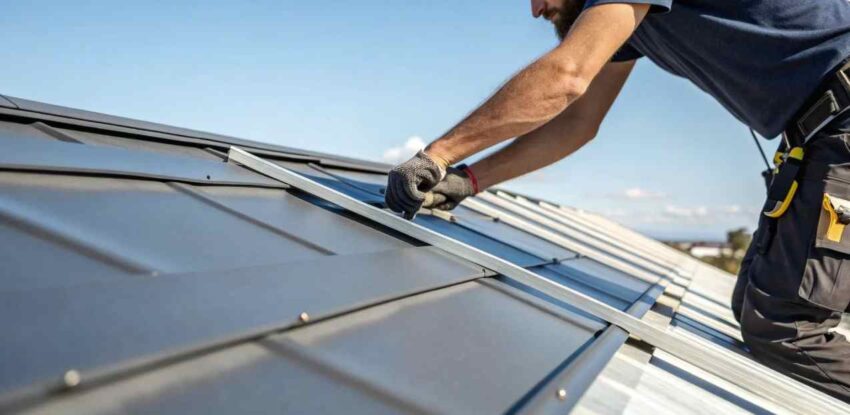
When it comes to home maintenance, replacing a roof is one of the most significant structural investments a homeowner will ever make. While traditional asphalt shingles have been the default choice for decades, they come with a major hidden downside: vulnerability to weather. Over time, intense heat waves, heavy downpours, and high wind speeds cause standard shingles to dry out, crack, curl, and blow away. This continuous degradation requires homeowners to repeat the entire costly replacement process every fifteen to twenty years.
Shifting to a permanent structural asset requires exploring high-performance building materials engineered for longevity. Data tracking across the residential construction market demonstrates that upgrading to a metal roof eliminates recurring replacement loops while adding immense protective and financial advantages to your property. For instance, data from regional exterior specialists like Window Pro Tx emphasizes that modern metal profiles shield your home from severe environmental forces while significantly lowering your monthly cooling demands. Choosing a durable, engineered material ensures your household stays secure, dry, and energy-efficient for a lifetime.
1. The Cool Roof Advantage: Slashing Your Summer Cooling Bills
A major misconception about metal roofing is that it absorbs solar energy and turns a house into an oven during hot weather. In reality, the exact opposite is true. Metal roofs are highly effective tools for reducing residential energy consumption.
Modern metal roof systems leverage advanced thermal performance features to keep your home cool:
Solar Reflectance and Emittance
Standard asphalt shingles act like dense thermal sponges, absorbing massive amounts of solar radiation and radiating that trapped heat down into your attic spaces long after the sun sets. Modern metal panels are coated with specialized, highly reflective factory paint finishes that actively reflect up to seventy percent of the sun’s solar energy back into the atmosphere. This prevents heat from migrating into your home’s framing, significantly easing the strain on your central air conditioner during blistering summer afternoons.
Rapid Emissivity Rates
In addition to reflecting initial light, metal has an exceptionally high thermal emittance rate. This means that whatever small amount of heat the roof does manage to absorb during the day is released rapidly back into the open air the moment a cloud passes or the sun drops. Your home cools down almost instantly, rather than retaining heat through the evening.
2. Structural Configurations: Standing Seam vs. Exposed Fasteners
Not all metal roofs are constructed the same way. When exploring your options, it is vital to understand the two main design configurations used in residential installations:
Exposed Fastener System → Metal panels are screwed directly through the face into the deck.
Standing Seam System → Hidden interlocking clips permit metal to slide during temperature shifts.
Exposed Fastener Panels
In an exposed fastener installation, metal panels overlap one another and are secured to the roof deck using specialized screws driven directly through the exterior face of the metal. While this method is highly economical and provides exceptional strength, it means thousands of rubber-washered screws are permanently exposed to the weather. Over time, these rubber gaskets require periodic maintenance to ensure they stay watertight.
Premium Standing Seam Systems
A standing seam system represents the absolute pinnacle of residential roofing design. The panels feature raised vertical ribs that interlock seamlessly along the edges. The entire system is fastened to the roof deck using hidden, internal clips tucked safely beneath the metal panels. Because no screws pierce the exterior face of the metal, there is zero risk of fastener-related leaks. Furthermore, the internal clips allow the metal panels to naturally expand and contract during extreme seasonal temperature shifts without buckling or placing stress on the structure.
3. Unmatched Environmental Durability and Longevity Standards
While a high-quality asphalt roof might last fifteen to twenty years under ideal conditions, a properly installed metal roof easily boasts a operational lifespan ranging from fifty to seventy years. This extreme durability stems from metal’s resistance to typical structural threats:
- Maximum Wind Resistance: Metal panels are securely interlocked and anchored to the building’s structural deck, earning the highest certified wind ratings in the industry. They can withstand severe storm gusts exceeding 140 miles per hour without blowing loose.
- Complete Moisture and Rot Defense: Metal is completely non-porous, meaning water drains away instantly. It cannot absorb moisture, completely eliminating risks of structural wood rot, organic mold growth, or moss colonization that frequently destroys old shingle roofs.
- Impact and Hail Resistance: Premium steel or aluminum panels feature Class 4 impact resistance ratings—the highest available. This means they can handle heavy hail strikes without cracking or puncturing, preserving the watertight integrity of your home.
4. Key Factors to Consider Before Your Installation
To maximize the performance and long-term value of your new metal system, keep these essential installation details in mind during the planning phase:
- Invest in High-Quality Synthetic Underlayment: Never let a contractor skimp on the protective layer beneath the metal. A durable, tear-resistant synthetic underlayment acts as a secondary waterproof barrier that seals around fasteners and blocks moisture.
- Verify Attic Ventilation Balance: A metal roof functions best when paired with an active, balanced ventilation system. Ensure your attic features continuous ridge vents along the top matched with open soffit vents at the eaves to keep air moving smoothly.
- Check with Homeowners Insurance Providers: Because metal roofs are incredibly fire-resistant and highly durable against severe wind and hail storms, many insurance companies offer premium discount credits to homeowners who upgrade.
Secure Peace of Mind for the Future
Replacing your roof with a modern metal system is a definitive, permanent upgrade that completely changes your home’s relationship with the elements. By moving past short-lived, high-maintenance roofing choices, you secure an advanced thermal shield that keeps your indoor spaces cool, protects your property from severe weather, and eliminates the stress of future roof replacements. Investing in a system tailored to your property’s specific architectural layout ensures your home remains a dry, quiet, and highly efficient sanctuary for generations to come.