
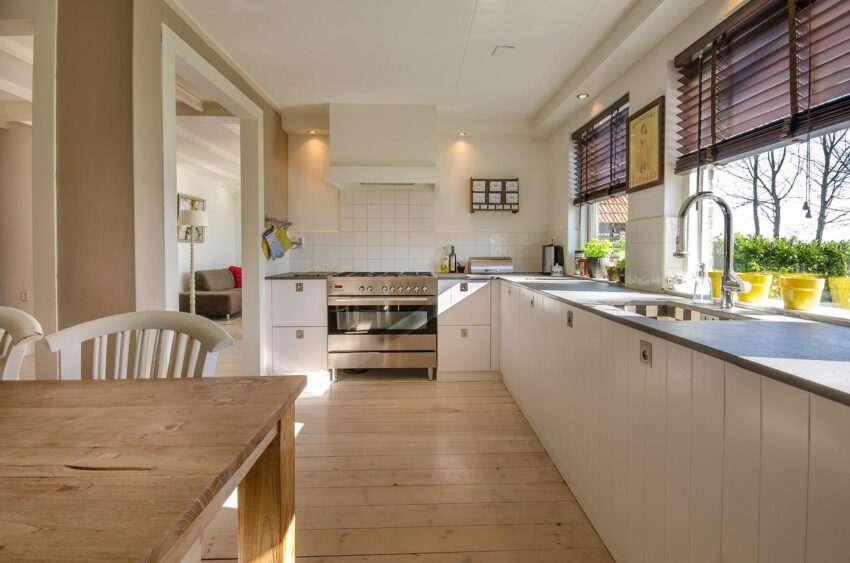
Embarking on a kitchen remodel can be both exciting and overwhelming. While the end goal may be a more functional, stylish, and valuable space, the process requires careful planning to avoid budget overruns, design regrets, and prolonged disruption. Whether you’re updating a few key elements or undertaking a full transformation, there are several critical factors to weigh before getting started.
Function Over Form
It’s easy to get caught up in aesthetics—pinterest boards, design trends, and glossy brochures. But practicality should always lead the design process. Think about how you move within the kitchen. The layout should facilitate cooking, cleaning, and entertaining with ease. The classic work triangle (sink, stove, fridge) still matters, but so does accounting for your specific habits—do you need a breakfast bar, appliance garage, or separate prep area?
Budget Anchored in Reality
Many homeowners enter a remodel with a flexible number in mind, only to see it stretch far beyond comfort. Get quotes early from trades, not just designers, and build in a contingency—10% to 20% is wise. Don’t forget hidden costs like structural upgrades, council approvals, or dining out while the kitchen’s unusable. A good rule of thumb is to invest proportionally to your home’s value—overspending can limit return on investment.
Structural and Utility Constraints
Before sketching layouts, consider what’s behind the walls and beneath the floors. Moving plumbing or electrical points can add thousands to your bill. If you’re in an apartment or older home, local building codes and strata rules may further restrict your design freedom. Understanding these constraints early helps avoid costly changes mid-project.
Timelines and Disruption
Even minor works can stretch over weeks, depending on tradie availability and material lead times. Be realistic about how long you can live without a kitchen and consider the impact on your family. Clear project milestones and a dedicated point of contact can help manage delays and reduce frustration.
Material Choices That Balance Looks and Longevity
Durability should guide your material decisions. Quartz benchtops might cost more upfront than laminate but offer years of low-maintenance use. Similarly, cabinetry hardware, hinges, and soft-close mechanisms are worth the investment. If you’re not ready for a full remodel, kitchen resurfacing can offer a visually impactful and cost-effective alternative.
Resale Considerations
Even if you’re renovating for personal enjoyment, it’s smart to keep future buyers in mind. Neutral colour palettes, quality appliances, and clever storage never go out of style. Avoid hyper-personalised finishes unless you’re certain you’ll love them for years.
A successful kitchen remodel depends on informed decisions, not just design inspiration. Prioritising functionality, planning realistically, and understanding your constraints can turn a daunting project into a rewarding transformation.