
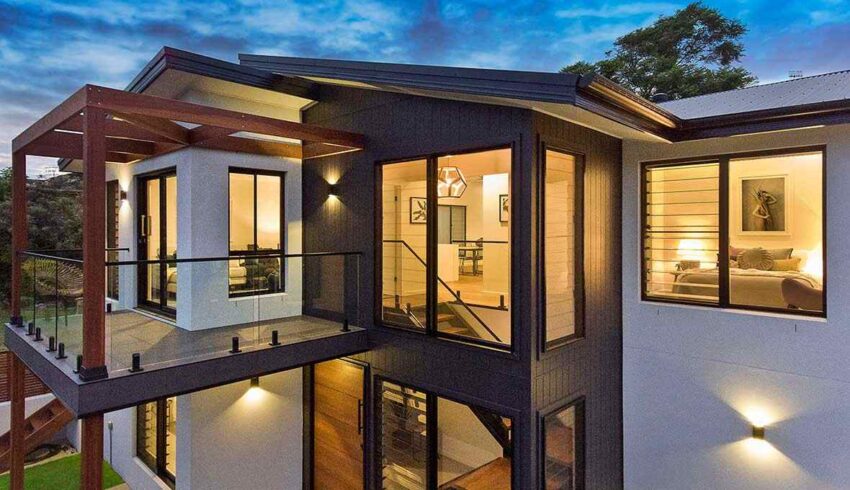
You need more room. Moving is expensive and stressful. A house extension gives you the extra space you want while staying in the neighborhood you love.
A good house extension adds 15-20% to your home’s value. You get more space and more equity at the same time. I’ve helped many homeowners plan their extensions. The ones who succeed start with a clear plan. The ones who struggle jump in without doing their homework first.
What Kind of Extension Should You Build?
You have three main options. Each one works better for different situations.
- Single-story extension. This is the most popular choice. You build out from your ground floor. Most people use it for a bigger kitchen or a new family room. It costs less and gets done faster.
- Two-story extension. You build up and out at the same time. This gives you more space for your money. But it costs more upfront and takes longer to finish.
- Wrap-around extension. This goes along two sides of your house. It completely changes how your home feels. But you’ll need more permits and more time.
How Much Will It Cost?
Money worries stop most extension projects before they start. Let me give you real numbers so you can plan properly.
Most extensions cost $150 to $400 per square foot. A simple 200-square-foot kitchen extension runs between $30,000 and $80,000.
Here’s what drives up costs:
- Digging and foundation work
- Making new walls match old walls
- Adding heating and cooling to the new space
- Permits and architect fees
- Things that go wrong (always save extra money for this)
My advice? Add 20% to whatever budget you set. Something always costs more than you expected.
Do You Need Permission to Build?
This is where many people mess up. They start planning without checking the rules first.
Most extensions over 150 square feet need official approval. Your local building department sets the rules. These rules are different everywhere. Some smaller projects don’t need full permits. But don’t assume yours is one of them.
Here’s what actually works. Call your local building department before you hire anyone. Ask them what you need. They will tell you for free.
If you live in an older neighborhood or a historic area, you’ll face stricter rules. Check early so you don’t waste money on plans you can’t use.
How Long Does It Take?
Everyone wants their extension done fast. But rushing leads to mistakes. Here’s a realistic timeline.
- Planning stage: 4 to 8 weeks. You meet with architects. You draw up plans. You make decisions about what you want.
- Getting permits: 8 to 12 weeks. Your local government reviews your plans. They might ask for changes. This part takes patience.
- Building: 3 to 6 months. For a simple single-story extension. Two-story projects take 6 to 12 months.
Don’t plan your extension around a deadline. Weather happens. Materials get delayed. Inspectors have busy schedules. Build in extra time so you don’t stress out.
Final Words
A house extension solves your space problem. It adds value to your home. And it lets you stay where you are.
Start simple. Write down exactly what you need. More bedrooms? Bigger kitchen? Home office? Know your goal before you spend any money.
Then talk to three contractors who have built extensions before. Ask to see their past work. Check their reviews.
Your home should fit your life. An extension makes that happen.