
Are you tired of watching your electricity bill climb every single year? Most property owners feel stuck paying whatever the utility company demands. But you don’t have to be a victim of rising rates. A photovoltaic (PV) system is the most direct way to take control of your energy costs and gain true independence.
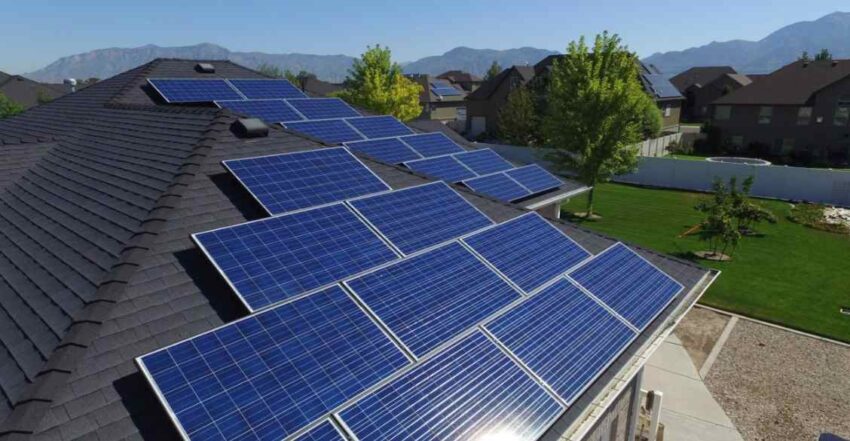
A photovoltaic system is a setup of solar panels that converts sunlight directly into electricity for your home or business. By installing one, you can wipe out up to 80% of your monthly power bill, increase your property value, and lock in a low energy rate for the next 25 years. It is essentially a personal power plant on your roof.
Why Should You Invest in a Photovoltaic System Now?
I’ve helped many people look at their energy numbers, and the “why” is always about financial freedom. When you own your power, you stop “renting” it from the grid.
Immediate Savings: The moment the system is turned on, your meter slows down or even spins backward.
- Tax Breaks: In the U.S., the government currently offers a 30% federal tax credit. This means if your system costs $20,000, you get $6,000 back on your taxes.
- Protection from Inflation: While utility companies raise prices by 2% to 5% every year, your sunlight remains free.
What Are the Parts of a PV System?
You don’t need to be a scientist to understand how this works. A photovoltaic system has three main parts that do the heavy lifting:
- Solar Panels: These sit on your roof and catch sunlight. They are made of silicon “cells” that turn light into raw power (DC electricity).
- The Inverter: This is the most important part. It takes that raw power and converts it into the type of electricity (AC) that your fridge, TV, and lights actually use.
- The Racking: This is the high-quality frame that keeps your panels safely attached to your roof during wind and rain.
Pro Tip: If you want power during a blackout, you will also need a battery backup. Without a battery, most solar systems shut off during a grid outage for safety reasons.
The Mistakes I See Most Often (And How to Avoid Them)
In my experience, the difference between a happy solar owner and a frustrated one comes down to the planning stage. Here is what actually works:
- Don’t Guess Your System Size: Many people buy a system that is too small because it’s cheaper. The mistake I see is forgetting that your energy needs might grow if you buy an Electric Vehicle (EV) later. Always plan for your future energy use.
- Check Your Roof First: Never put a 25-year solar system on a roof that only has 5 years of life left. If your roof is old, replace it at the same time you get solar.
- Watch Out for Shade: Even a small branch from a nearby tree can block a panel and kill the energy production of your entire system. Keep your panels in the clear.
Conclusion
A photovoltaic system is no longer a luxury for the wealthy; it is a smart financial tool for any homeowner or business owner. It allows you to turn an endless monthly expense into a long-term asset.
Your Next Step: Find your utility bills from the last 12 months. Look at your average monthly usage. Once you have that number, contact a local pro for a custom quote. Stop sending money to the utility company and start investing in your own roof.